
Chevrolet Recommended Service Schedule Explained

Author: West Herr Chevrolet of Rochester
If you’re a driver in Rochester or nearby towns like Henrietta, Irondequoit, and Greece, you know that local roads, weather, and driving conditions can really impact your vehicle’s performance. That’s where West Herr Chevrolet of Rochester comes in, offering a maintenance guide tailored specifically for our region. With decades of experience serving our community, we’ve crafted this guide to help ensure your Chevrolet runs smoothly through the snow-covered streets in winter and navigates the pothole-riddled roads come spring. We understand what it takes to keep your vehicle in peak condition, so you can enjoy every drive, whether it’s a quick trip to Corn Hill or a longer journey across Lake Ontario.
Why Should You Follow a Maintenance Schedule for Your Chevrolet?
Following a maintenance schedule is crucial for protecting your investment in a Chevrolet and ensuring it remains a reliable companion for your daily drives around Rochester. The local climate—marked by humid summers and harsh winters—places unique stress on fluids, belts, and filters. For instance, summer heat can degrade engine oil, while winter’s freezing temperatures can thicken it, affecting performance. Additionally, the pollen and debris from nearby parks can clog air filters, making regular service essential for optimal efficiency.
Sticking to your maintenance schedule directly impacts your vehicle’s performance, fuel efficiency, and safety. A well-maintained Chevrolet, whether it’s a Silverado 1500 tackling the snow on Mount Read Boulevard or an Equinox navigating the spring potholes of Monroe Avenue, delivers peace of mind. This isn’t just about avoiding breakdowns; it’s about ensuring your vehicle operates as intended, maximizing its lifespan. For further insights on vehicle care, resources like Edmunds provide a wealth of information.
How Does Chevrolet’s Service Reminder System Work?
Chevrolet vehicles are equipped to remind you when it’s time for maintenance. Depending on the model and year, this reminder could be a straightforward time or mileage-based counter, or it might adjust based on how the vehicle has been used. This system is designed to help you stay on top of your vehicle’s care, ensuring it runs smoothly on the roads of Rochester and beyond.
Typically, drivers will see a dashboard message, a service indicator (like a wrench light), or a maintenance reminder that may include an oil-life percentage. The specifics can vary by model, so it’s important to consult your owner’s manual for the precise details. Local driving conditions, such as frequent short trips, stop-and-go traffic on Monroe Avenue, or the effects of temperature swings in winter, can influence how often you need to perform maintenance.
What Does the Primary Service Reminder Mean?
After understanding how service reminders work in general, it’s important to recognize what the primary reminder signifies for your vehicle. This reminder serves as a high-level indication that scheduled maintenance is either due or approaching. Depending on the model and year, some Chevrolet vehicles may show a straightforward message or light, while others provide additional context through a maintenance screen, settings menu, or even descriptive text. For precise information about what services are due, refer to your owner’s manual or the in-vehicle maintenance display.
Primary reminder: A general alert prompting you to check your vehicle’s scheduled maintenance guidance and consider planning for service. It signifies that maintenance is necessary, but does not always specify every individual item on its own.
Additional details (if shown): In some cases, vehicles may offer further insights, such as a maintenance menu, percentage indicators, or symbols that clarify what requires attention. If your vehicle provides this extra information, utilize it alongside your owner’s manual to confirm the recommended services.
What Do Additional Service Indicators Mean?
Some vehicles include extra details beyond the primary service reminder, which can appear as additional items, symbols, or menu options. These indicators assist in understanding the specific services that may be needed, though their meanings can vary by vehicle. It’s always best to check your owner’s manual or vehicle display for precise interpretations.
- Regular tire maintenance is crucial in areas with varying traffic conditions.
- Maintaining air filters is important for engine performance and interior air quality.
- Transmission fluid checks are important for long-term vehicle health.
- Regular maintenance of spark plugs and valve clearance is necessary for optimal engine performance.
- Engine coolant is vital for maintaining the correct engine temperature.
- For AWD/4WD vehicles, maintaining differential fluid is important for drivetrain health.
- Brake fluid maintenance is essential for effective braking performance.
What is a Typical Chevrolet Service Schedule for Rochester Drivers?

Even if your Chevrolet features service reminders or maintenance menus, having a general timeline of maintenance milestones can be beneficial for planning ahead. This overview serves as a useful reference alongside your owner’s manual and any in-vehicle guidance (if equipped), particularly for the driving conditions typical in Rochester—like short trips along Monroe Avenue, stop-and-go traffic around High Falls, and the challenges of winter weather with its temperature swings and lake-effect snow.
What Services Are Needed in the First 30,000 Miles?
During the first 30,000 miles of ownership, many Chevrolet drivers typically focus on fundamental services like routine oil changes, tire rotations, and filter maintenance.
Oil service: Chevrolet recommends an oil and filter change every 7,500 miles, though actual timing may vary based on your driving habits and conditions.
Tires and filters: Tire rotations are also recommended every 7,500 miles to help extend tire life. Monitoring your engine and cabin air filters remains important, especially in environments with high pollen or dust, though specific replacement intervals may vary by model and conditions.
What Maintenance Should Be Done Between 30,000 and 60,000 Miles?
Between 30,000 and 60,000 miles, maintenance often shifts from basic upkeep to protecting key systems through fluid services and more frequent inspections. The exact timing varies based on your Chevrolet model, powertrain, and driving habits, so refer to your owner’s manual and in-vehicle maintenance information for specifics.
Transmission fluid: Transmission fluid service is often recommended in this mileage range, particularly for those who frequently navigate stop-and-go traffic on roads like Monroe Avenue or experience the demands of towing. Maintaining proper fluid levels helps ensure smooth shifting and extends the life of your vehicle’s transmission, a critical component in ensuring reliable performance over time.
Brake fluid, brakes, and tires: Brake fluid replacement is generally suggested on a time-based schedule, often every few years, as it can degrade even with low mileage. During this period, regular inspections of your brakes and tires become increasingly crucial for safe stopping and handling. This is especially important for drivers around Rochester, who may face diverse conditions from wet weather to the occasional snowy day. If you’re interested in comparing vehicle reliability and owner experiences across models, check out Consumer Reports.
What Major Services are Required Approaching 100,000 Miles?
As your Chevrolet approaches the 100,000-mile mark, it’s not uncommon for several key maintenance services to come into play. The specifics can vary based on the model and engine type, so be sure to consult your owner’s manual for precise recommendations tailored to your vehicle.
Spark plugs: Fresh spark plugs are crucial for maintaining efficient fuel combustion, ensuring smooth starts, and enhancing overall engine reliability.
Timing belt (if equipped) and coolant service: While not all Chevrolet engines use timing belts—many utilize timing chains without a routine replacement schedule—certain models may require a timing belt replacement. Regular coolant service, including flushing and replacement, is recommended to prevent corrosion and overheating in the cooling system.
Why is Local Expertise Important for Servicing Your Chevrolet?
Having a service team that understands the unique conditions of Rochester is invaluable for maintaining your Chevrolet. The local climate—characterized by harsh winters with lake-effect snow, humid summers, and seasonal pollen—can take a toll on your vehicle. Roads like Monroe Avenue and West Henrietta Road can lead to specific wear patterns due to potholes and heavy traffic. Our technicians at West Herr Chevrolet of Rochester are trained to identify these region-specific issues, ensuring your vehicle is serviced with an understanding of local driving habits and environmental factors.
By monitoring the effects of heat and humidity on components like air filters and engine coolant, our team ensures that your Chevrolet stays in top condition. For more information on vehicle safety and maintenance, consider visiting the National Highway Traffic Safety Administration (NHTSA) for helpful resources tailored to your vehicle’s needs.
Frequently Asked Questions (FAQs)
How often should I really change my oil in Rochester’s climate?
For most Chevrolet vehicles, oil changes are typically recommended every 5,000 to 10,000 miles, depending on driving conditions and the type of oil used. Given Rochester’s cold winters and varied driving patterns, consult your vehicle’s service reminder or owner’s manual for the best guidance.
Are all-season tires enough for Rochester?
High-quality all-season tires are generally suitable for Rochester’s weather, but during heavy lake-effect snow, drivers might want to consider dedicated winter tires for added safety and traction on local roads.
Does commuting on local highways affect my service intervals?
Yes, frequent stop-and-go traffic on I-490 or I-390 can wear on your engine and brakes faster than steady highway driving. For Chevrolet owners, utilizing the service reminder system can help track necessary maintenance intervals based on your driving habits.
With all the pollen in spring, how often should I change my cabin air filter?
It’s wise to inspect your cabin air filter at least once a year, especially after the spring pollen season. Many drivers find that replacing it every 12,000 to 15,000 miles keeps the air in their Chevrolet clean and the A/C working efficiently.
Is AWD worth it for Rochester?
For Rochester drivers, an AWD Chevrolet vehicle can significantly improve stability and traction during snowy conditions, which is especially beneficial when navigating local roads after a winter storm. This feature can give you peace of mind during unpredictable weather.
My Chevrolet doesn’t have a service reminder system. What schedule should I follow?
If your older Chevrolet model lacks a service reminder, a general guideline is to change the oil every 5,000 miles with conventional oil or every 7,500 miles with synthetic oil. Always refer to your owner’s manual for specific maintenance schedules to keep your vehicle in top shape.
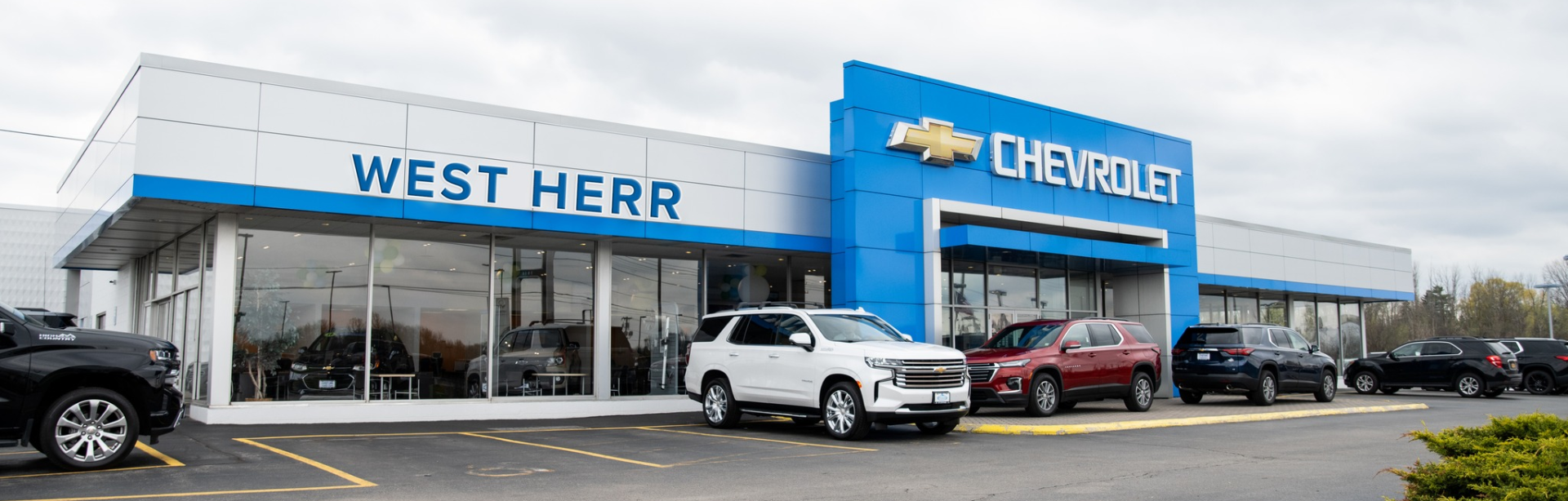
About West Herr Chevrolet of Rochester
West Herr Chevrolet of Rochester is proud to be a cornerstone of the local community and a member of New York State’s largest automotive group. This position allows us to provide an exceptional selection and competitive value while delivering the personalized, neighborly service that Rochester drivers expect and deserve. We are deeply committed to transparency and to creating a positive experience for every person who walks through our doors. Our involvement extends beyond the dealership, as we actively support local charities and events that help our community thrive. We invite you to visit us and discover the West Herr difference for yourself.
Related Articles:
Your Henrietta Guide to a Superior Chevrolet Dealership Experience

0 comment(s) so far on Chevrolet Recommended Service Schedule Explained